Introduction: AI Changed Discovery But Not How You Should Listen
In 2025, buyers aren’t discovering brands the way they used to.
They’re not just Googling.
They’re asking ChatGPT, Gemini, Perplexity, etc.
- What’s the best analytics agency for B2B SaaS?
- Recommend a growth marketing partner for an early-stage startup.
- Explain CRM like I’m a business owner and how will it help me close more deals?
- Do I need Salesforce or will HubSpot be enough?
- Which is better for a small ecommerce store: Shopify or WooCommerce?
- Apple Watch vs Fitbit vs Garmin. Which one should I buy if I run marathons?
- What do people complain about with the Tesla Model 3?
- How much does HubSpot cost for a company with 20 employees?
- Is Canva Pro worth it, or should I stick with the free version?”
- What’s the best way to use an air fryer for crispy chicken?
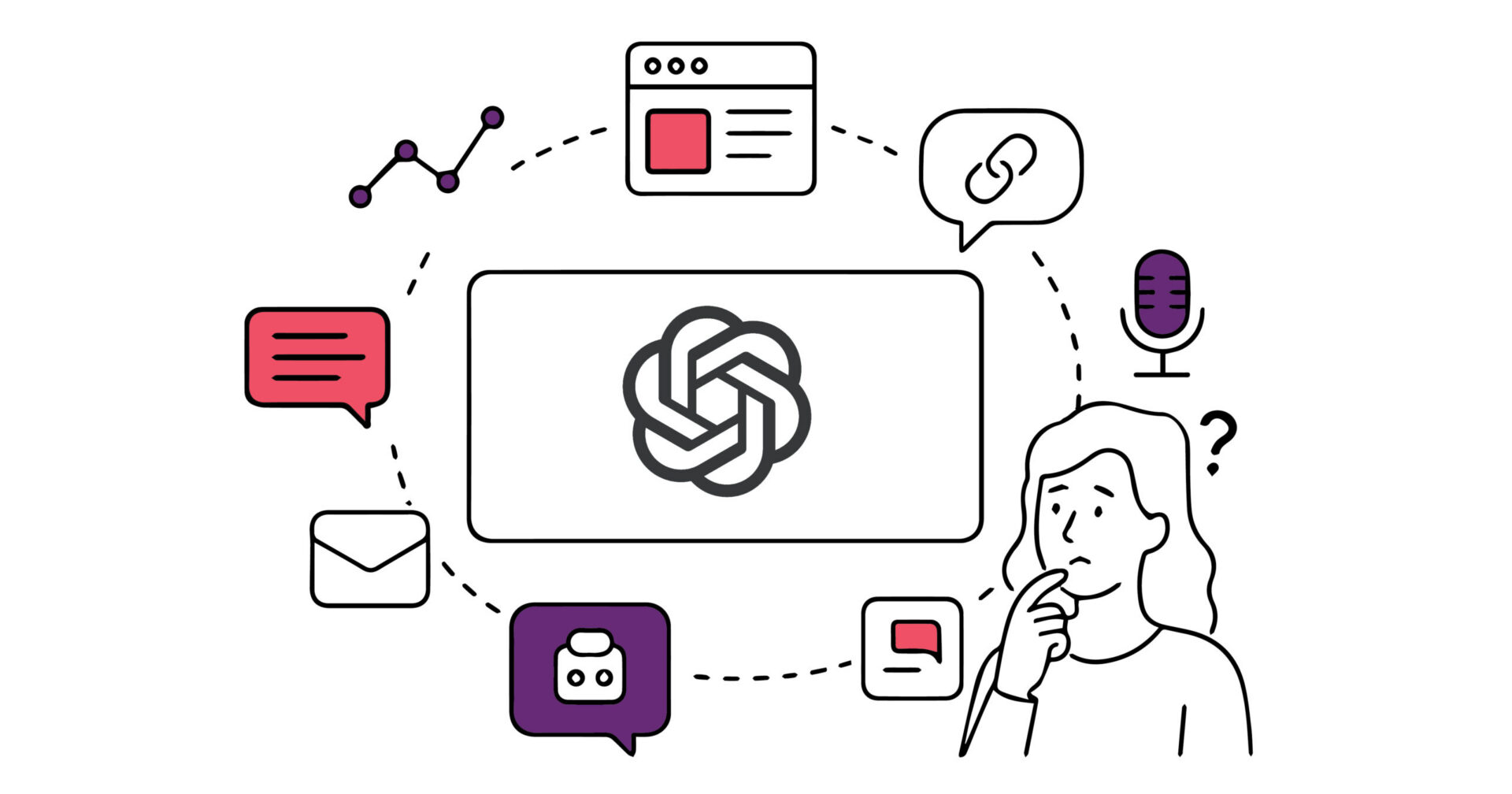
AI engines respond with curated suggestions, brands, links, even summaries of what makes one provider better than another.
And when the buyer lands on your site, fills out a form, and joins your funnel… your CRM and attribution model say:
- Source: Direct
- Campaign: (not set)
- Referrer: Unknown
- com (if you’re lucky)
- Or if you’re really lucky
You have no idea what actually influenced the decision.
This is the attribution blind spot of the AI era and the only way to close it is with something deceptively simple:
Self Attribution
What Is Self Attribution?
Self attribution flips the usual model.
Instead of inferring intent through user behavior, it asks the user to name their source of influence directly.
The most common form?
A simple question in your form or onboarding flow:
“How did you hear about us?”
This is self-reported attribution, and it’s the most practical, immediate implementation of a broader self attribution strategy.
In an ecosystem increasingly shaped by invisible influences, AI-generated suggestions, private shares, community referrals, self attribution is often the only available lens into what actually sparked a journey.
Why Self Attribution Matters More in a GPT-Driven Funnel
1. AI Engines Have Become the New Top-of-Funnel, But Don’t Pass Any Tracking Data
Unlike search engines or ad platforms, AI engines don’t:
- Pass referrer data
- Trigger UTMs or cookies
- Show up in your CRM campaign fields
They’re invisible in analytics tools, yet they’re influencing real buyer decisions.
If someone hears about you from ChatGPT, clicks your homepage, and signs up…
Your tracking systems say “Direct.”
Only self attribution asking the user what happened reveals the truth.
“ChatGPT recommended your agency when I asked for top analytics partners.”
“I asked Perplexity for a good funnel optimization tool, and your brand came up.”
You can’t model what you don’t know is happening. Self attribution is the only way to see the top of funnel conversation happening inside an AI model’s head.
2. Buyers Themselves Don’t Always Enter the Funnel via Clean Paths
Even outside of GPT tools, self attribution captures the moments that don’t leave digital trails:
- A Slack referral
- A podcast shoutout
- A blog link seen in a group chat
- A newsletter forwarded by a friend
These are all discovery points, but none show up in your attribution software. Unless the buyer tells you.
Self attribution gives voice to these hidden first touches critical in shaping long-cycle B2B decisions.
3. It Complements (Not Replaces) System Based Attribution
Self attribution isn’t trying to be perfect.
It’s trying to be useful.
System-tracked attribution tells you:
- What happened
- When it happened
- What the user clicked
Self attribution tells you:
- What the buyer remembers
- What they think influenced them
- What they say when asked directly
When both line up? You have high confidence attribution.
When they conflict? You’ve uncovered a blind spot worth investigating.
Building Self Attribution Into Your Funnel
Step 1: Add the Right Field
Use an open text field in your lead form or onboarding flow:
“How did you first hear about us?”
Avoid dropdowns. Let the user speak in their own words. With the rise of LLMs the customers can say what they want without focusing much on structure instead of getting ideas.
Step 2: Normalize the Data
Manually or programmatically tag responses into themes:
- “ChatGPT,” “Asked GPT,” “Found you through AI” → AI Discovery
- “Slack,” “Referral in group,” “Founder community” → Dark Social
- “Google,” “Blog article,” “SEO guide” → Organic Search
Step 3: Analyze Patterns Monthly
Look for recurring trends:
- Are more responses referencing AI tools?
- Are new channels showing up (e.g., Perplexity, podcast mentions)?
- Are buyers consistently citing content that doesn’t show up in click data?
Step 4: Use as a Weighted Signal
Don’t treat self attribution as gospel, but do fold it into your attribution model.
Examples:
- If 70% of self attribution responses say “LinkedIn,” even when CRM says “email nurture,” you’ve discovered a warm-up channel that needs proper credit.
- If multiple users mention “ChatGPT,” that’s a strong case for optimizing how your brand shows up in AI-generated answers.
Example: What Happens When You Listen
A growth-stage SaaS company noticed a sharp rise in “Direct” traffic converting to pipeline.
Their attribution model said “homepage” was performing best.
But their self attribution data said otherwise:
- 38% of users mentioned ChatGPT
- 16% referenced founder content seen in LinkedIn comments
- 11% said “podcast guest appearance”
What happened next:
- The team started optimizing blog content for AI surfacing
- Founder-focused thought leadership was expanded
- The podcast angle was folded into broader media strategy
Result:
- +26% increase in SQLs from “Direct” sources
- 2x lift in branded organic queries over 8 weeks
- Channel clarity that influenced both content and budget decisions
Final Thoughts: Attribution in an AI World Requires Human Input
- You won’t always know how your brand made it into ChatGPT’s answer.
- You can’t pixel a Slack thread.
- You won’t see a newsletter forward in your GA4 logs.
But you can ask your buyer.
“How did you hear about us?”
And you can listen to what they say.
Self attribution isn’t soft, it’s essential.
It’s not guesswork, it’s grounded intelligence from the one person who truly knows: your customer.
In a world of black-box algorithms and invisible influence, it may be the only honest window into what’s working.